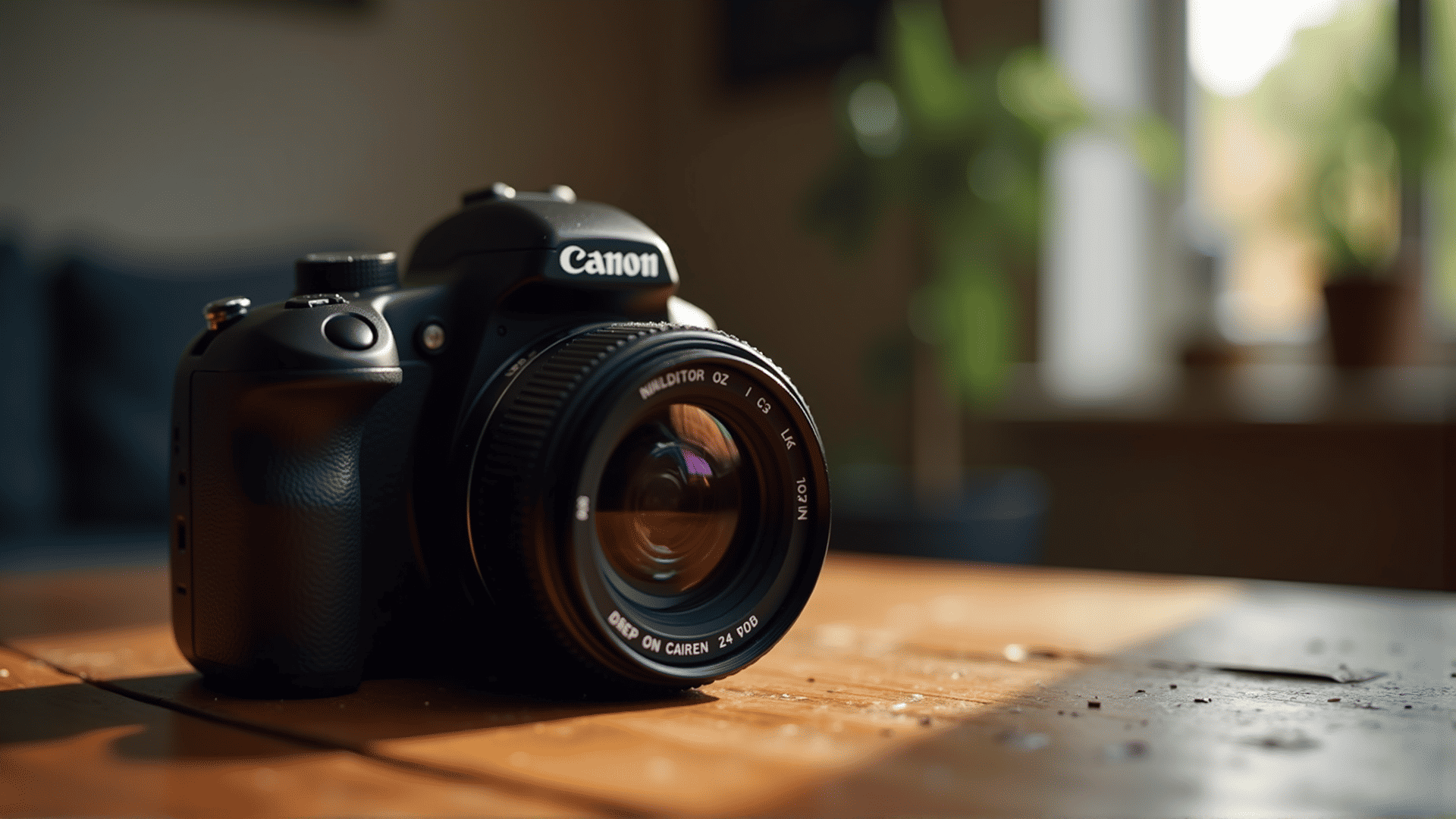
Understanding the fundamental aspects of your camera is essential in capturing stunning images. This guide will walk you through the key components of your camera, allowing you to take captivating photos with confidence.
Shutter Speed
Shutter speed determines how long the camera's shutter remains open, capturing light. Fast speeds, like 1/1000s, freeze motion, perfect for action shots. Slow speeds, such as 1/30s or slower, introduce motion blur, creating a sense of movement. Experiment with different settings to achieve the desired effect for your subject.
Aperture
The aperture is the opening in a camera lens through which light enters. Measured in f-stops, it affects both exposure and depth of field. A low f-stop (e.g., f/2.8) results in a larger opening, yielding a brighter image with a blurred background. A higher f-stop (e.g., f/16) reduces the opening, increasing the depth of field, keeping more elements in focus.
ISO
ISO measures the camera's sensitivity to light. A low ISO (e.g., 100) is suitable for well-lit environments, ensuring high image quality. In darker settings, increase the ISO to brighten images, but be mindful of noise, which can reduce clarity. Striking a balance is key for crisp, vibrant photos.
White Balance
White balance adjusts color temperature, ensuring photographs appear natural. Different lighting conditions affect colors—fluorescent lighting casts a blue tint, while incandescent bulbs give a warm hue. Use your camera’s settings to adjust, capturing true-to-life colors.
Composition Techniques
Learning to compose shots effectively enhances visual appeal. The rule of thirds, where an image is divided into nine equal sections, helps align subjects along grid lines for balance. Leading lines guide viewers’ eyes through the photo, while framing adds depth and context. Explore these strategies to elevate your composition skills.
Focus
Autofocus makes capturing sharp images convenient, but manual focus offers precision for tricky subjects or challenging lighting. Practice switching between modes to improve control over clarity and sharpness.
Practice and Patience
Above all, taking striking photos requires practice and patience. Familiarize yourself with your camera's settings, and don't be afraid to experiment. Trial and error are integral to mastering this craft.
By grasping these basic elements, you'll be well on your way to creating breathtaking images with your camera. Whether you're shooting landscapes, portraits, or close-ups, these fundamentals will support you in capturing the essence of your subject beautifully.