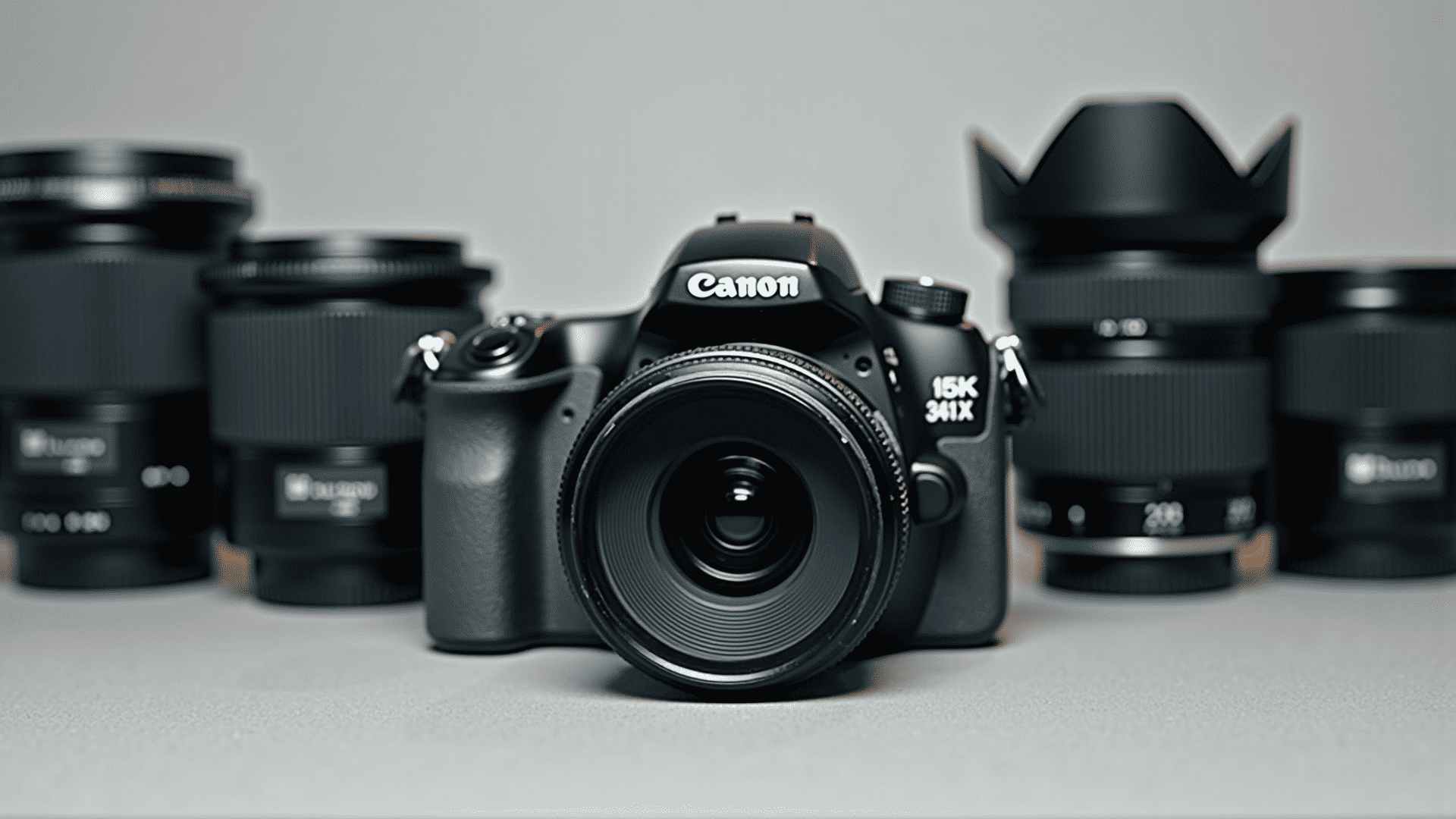
Understanding the essentials of using a camera can significantly enhance your ability to capture stunning images. Whether you are new to photography or looking to refresh your skills, grasping the basics is crucial for venturing into this creative field.
Exposure
At the heart of photography is exposure, which determines how light or dark an image appears. It comprises three main elements: aperture, shutter speed, and ISO.
Aperture: Aperture refers to the size of the lens opening that allows light to enter the camera. It is measured in f-stops, such as f/2.8, f/4, f/5.6, etc. A lower f-stop means a larger opening, which allows more light, resulting in a brighter image and a shallower depth of field. This is ideal for portraits where the background is blurred. Conversely, a higher f-stop results in a smaller aperture opening, capturing images with wider depth of field, perfect for landscapes.
Shutter Speed: Shutter speed determines the duration that the camera sensor is exposed to light. It is measured in fractions of a second. A faster shutter speed (e.g., 1/1000) freezes motion, making it ideal for action shots. A slower shutter speed (e.g., 1/30) allows more light and captures motion blur, which can be creatively used for subjects like flowing water.
ISO: ISO measures the sensitivity of the camera's sensor to light. A lower ISO number (e.g., 100) means less sensitivity, which is ideal for bright conditions, yielding finer image quality. A higher ISO (e.g., 1600 or more) is useful in low-light situations but might introduce noise to the image. Balancing ISO with aperture and shutter speed is key to achieving the desired exposure.
Lens Types
A lens is a crucial component of your camera that significantly affects the look of your photographs. Understanding the different lens types can help you choose the right one for your needs.
Prime Lenses: Prime lenses have a fixed focal length, meaning they don’t zoom in or out. They generally offer a wider aperture, providing excellent performance in low light and creating a shallow depth of field. This type of lens is great for portraits and street scenes.
Zoom Lenses: These lenses offer a range of focal lengths, allowing you to zoom in and out without changing the lens. They are versatile and can cover wide-angle to telephoto shots, making them suitable for a range of subjects, including wildlife and travel.
Wide-Angle Lenses: Wide-angle lenses have shorter focal lengths and are perfect for capturing vast landscapes, architecture, or large groups of people. They offer a broader field of view compared to standard lenses.
Essential Settings
Once you have a grasp of exposure and lens options, familiarize yourself with these essential camera settings:
White Balance: This setting ensures that colors are accurate under different lighting conditions. You can choose presets like daylight, cloudy, tungsten, etc., or manually adjust for a custom setting.
Focus Modes: Modern cameras offer various focus modes like single-servo AF (ideal for stationary subjects) and continuous-servo AF (for moving subjects). Selecting the right mode can help ensure sharp images.
Metering Modes: Metering refers to how your camera determines the exposure settings. You can select modes like evaluative/matrix (for a balanced exposure) or spot metering (for a more focused exposure in a specific area).
Mastering these camera fundamentals will greatly enhance your ability to create captivating images. Practice consistently, experiment with different settings, and soon, capturing beautiful photographs will become second nature.