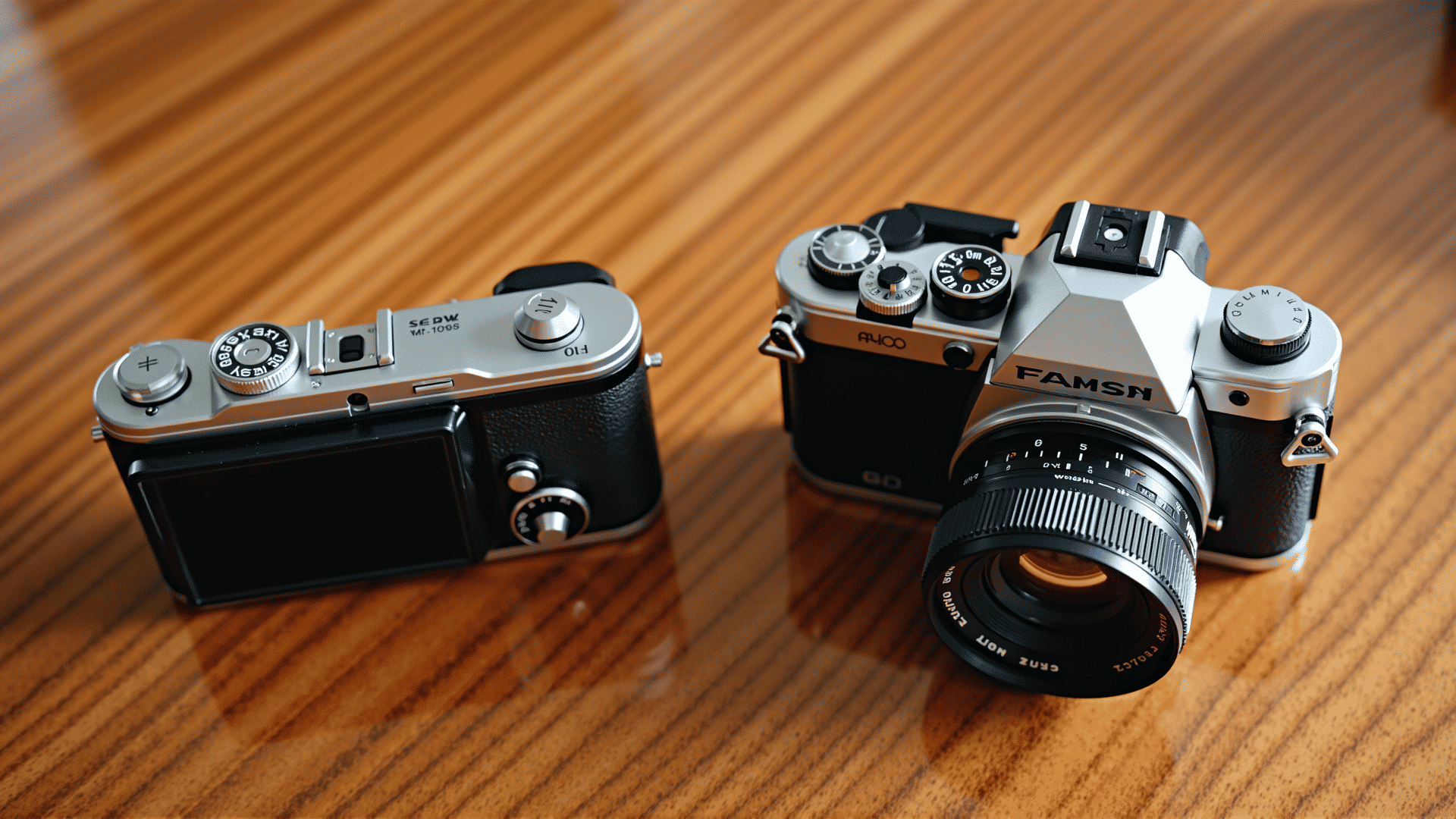
In the world of capturing moments, both digital and film photography hold a significant place, each offering distinct advantages and qualities. These two methods, while sharing the ultimate goal of creating images, employ different processes and deliver unique experiences to both the artist and the viewer.
Digital photography, with its advanced technology, offers instant gratification. The ability to see an image immediately after capturing it provides photographers with immediate feedback. This rapid process is advantageous in a fast-paced environment where time is of the essence. Furthermore, digital photography allows for vast storage capabilities, with memory cards capable of holding thousands of high-resolution images. This is particularly useful for those who need to shoot consecutive frames without the worry of running out of storage. The adaptability of digital cameras is another significant advantage, offering flexibility with settings such as ISO, white balance, and exposure, all adjustable with a few button presses.
In contrast, film photography provides a more deliberate and immersive experience. Each shot is precious, often leading to a more thoughtful approach when composing an image. This process encourages photographers to pre-visualize their shots, understanding the interplay of light, shadow, and composition before pressing the shutter. Film also offers a unique aesthetic quality, often described as having a richer, more authentic feel with a distinctive grain that digital images sometimes struggle to replicate. Each type of film stock can impart its own character to an image, allowing for creative expression through the choice of film alone.
Another fundamental difference is how images are processed. Digital images can be edited extensively in post-production with editing software, allowing for comprehensive alterations. This has its benefits in refining images but can also lead to a loss of authenticity if overdone. Film, on the other hand, undergoes chemical processing, which means the final result is more dependent on the initial conditions in which the photograph was taken, often adding a layer of authenticity to the final product.
While digital photography is mostly hailed for its convenience and speed, film has made a resurgence among enthusiasts who appreciate its tangible and hands-on nature. Developing film can be a hands-on artistic process, with traditional darkrooms offering a meditative space for creation. Additionally, the tangible nature of film rolls and negatives adds a different dimension to the storage and archiving of images.
In conclusion, the choice between digital and film photography ultimately depends on the photographer's preference, intended use, and artistic vision. Digital photography excels in speed, flexibility, and convenience, while film photography offers a timeless quality and artistic depth. Both mediums contribute significantly to the art of image-making, each with its own set of merits that continue to inspire and fulfill the creative urges of artists worldwide.