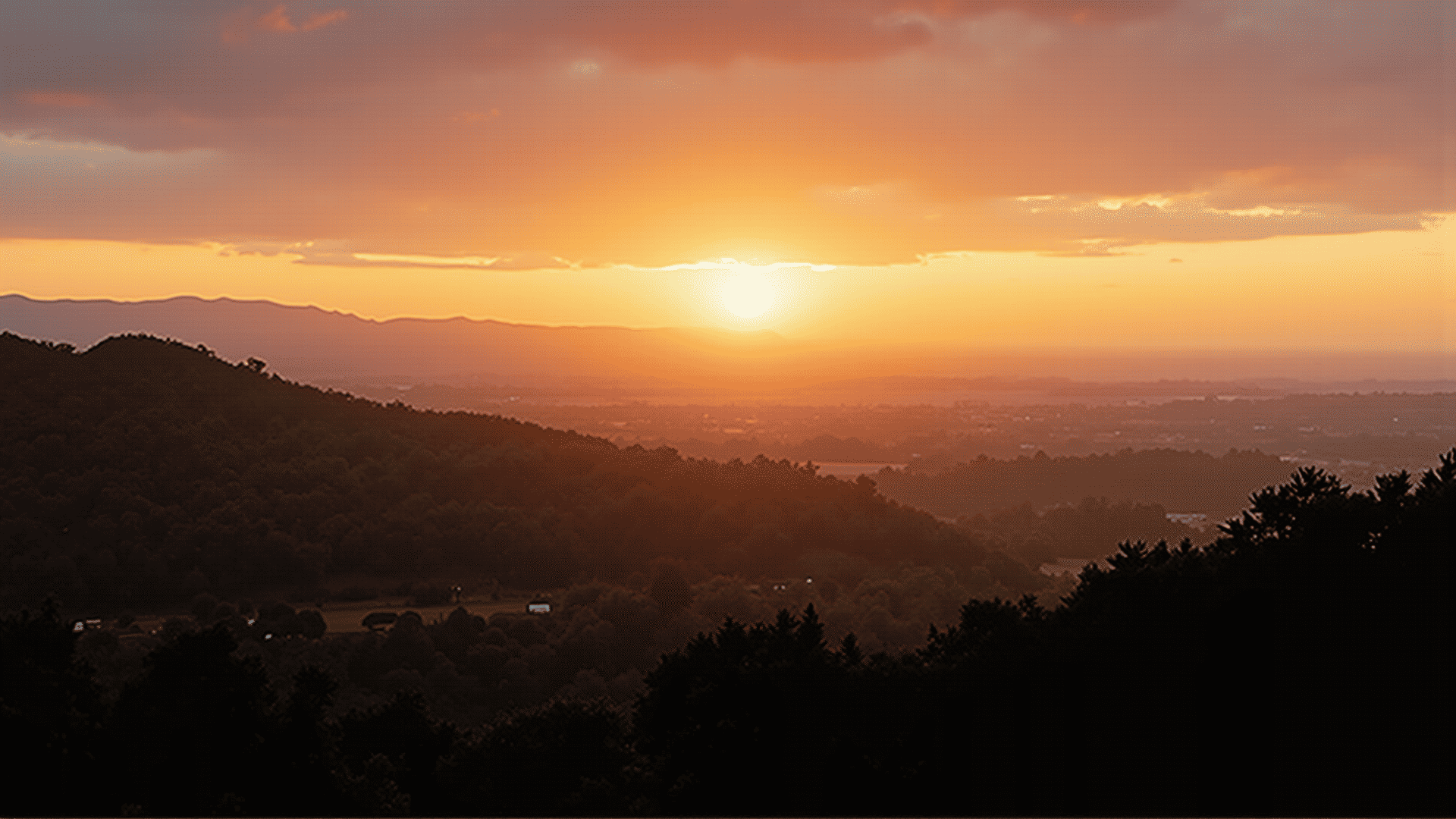
Manipulating light can transform ordinary images into something truly extraordinary, creating photographs that captivate the imagination and evoke strong emotions. Mastering this art involves understanding the interplay between light, shadows, and the environment, allowing photographers to craft stunning visuals that draw viewers in.
The first step in mastering light manipulation is to understand the different qualities of light: its direction, intensity, color, and hardness. Natural light changes throughout the day, offering various moods from the soft, warm tones of golden hour to the harsh, direct rays at noon. Recognizing how these variations affect your subject is crucial in determining how to capture the desired mood or emotion.
When working with natural light, the golden hours—just after sunrise and before sunset—are often ideal due to the soft and diffused glow they provide. This kind of light can beautifully highlight your subject's features and create dramatic shadows that add depth and dimension. Experimenting with backlighting during these times can result in a breathtaking halo effect, setting your photos apart.
On the other hand, harsh midday sun can present challenges but also opportunities for creative exploration. Utilize the strong contrast it creates to your advantage. Look for interesting patterns or textures that the shadows form, and incorporate them into your composition. Silhouettes and high-contrast black and white images can also become compelling pieces with the right execution under harsher light conditions.
Manipulating artificial light opens up endless creative possibilities. Experiment with different light sources such as lamps, LED panels, or even simple tools like flashlights. Each can contribute unique qualities that directly influence the mood and theme of your photo. Using multiple light sources, you can sculpt your scene in unexpected ways, controlling every element in the frame. Additionally, adjusting the color temperature and direction of these artificial lights can help simulate natural light at different times of the day or emphasize specific elements within a photograph.
Light modifiers are invaluable tools to further enhance your light manipulation skills. Reflectors, diffusers, and flags can drastically alter the quality and direction of light, providing greater control over the final image. Reflectors can bounce light toward your subject, filling shadows and creating a balanced, even look. Diffusers soften harsh light, making it more flattering for portraits. Flags block unwanted light, adding contrast and deepening shadows for a more dramatic effect.
The art of manipulating light also involves understanding the subtle interplay between light and shadows. Shadows add depth and texture, inviting viewers to explore the hidden narratives within an image. By carefully positioning your subject relative to the light source, and experimenting with angles, you can play with shadow patterns to create more dynamic compositions.
Post-processing techniques offer additional avenues for manipulating light in photographs. Modern editing software allows for the fine-tuning of exposure, contrast, and highlights, enabling photographers to enhance or alter the mood captured in-camera. However, the best results often come from using these tools to augment the light manipulation techniques applied during the shoot itself, maintaining the authenticity and intention of the original image.
In conclusion, mastering the art of light manipulation opens up endless creative possibilities for photographers. By understanding and experimenting with the qualities of both natural and artificial light, employing various light modifiers, and respecting the delicate balance between light and shadows, one can consistently produce photos that not only captivate the imagination but also resonate with the emotions of the viewers. Each photograph becomes a unique story, told through the delicate dance of light itself.