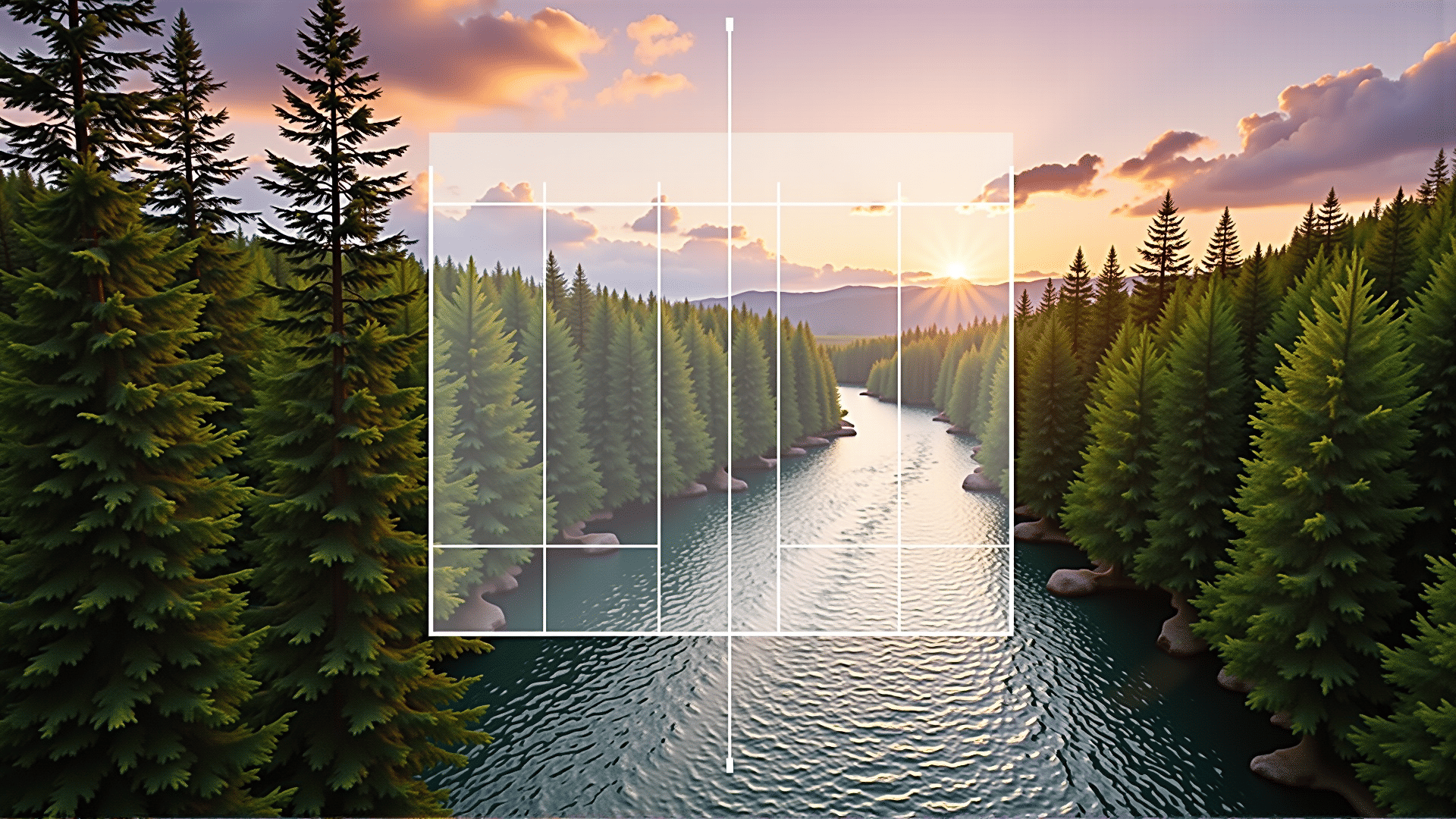
Creating captivating and well-balanced images is a key aspect of visual storytelling. The way elements are arranged in a frame significantly impacts the viewer's perception and emotional response to an image. Here are some guidelines to help you compose your visuals effectively:
-
Rule of Thirds: Imagine dividing your image into a grid with two vertical and two horizontal lines, creating nine equal parts. Positioning crucial elements along these lines or at their intersections often leads to more engaging and dynamic compositions. This technique encourages the eye to move naturally through the image.
-
Leading Lines: Use natural or man-made lines to guide the viewer's eye towards the focal point of the image. Roads, fences, rivers, or even the positioning of trees can serve this purpose, drawing attention and adding depth to the composition.
-
Symmetry and Patterns: Symmetrical images can evoke a sense of harmony and balance, while patterns can lead to striking visual interest. Symmetry often appeals due to its balance, and introducing a break in a pattern can highlight an area of interest.
-
Framing: Utilize elements within the scene to create a frame around your subject. This could be anything from a natural archway of trees to a window or doorway. Framing can add depth and help isolate the subject, focusing attention.
-
Perspective and Angles: Experiment with different viewpoints to provide a fresh take on familiar subjects. Shooting from a high or low angle can drastically change the mood and impact of an image, offering unique perspectives that might not be immediately apparent.
-
Background Simplicity: Keeping the background simple and uncluttered helps prevent distractions from the main subject. A clear background ensures the subject remains the focal point and helps maintain visual coherence.
-
Depth: Create a sense of depth by including elements in the foreground, middle ground, and background. This technique not only adds interest but also draws the viewer into the scene, making them feel as though they are part of the environment.
-
Color and Contrast: Utilize contrasting colors to make subjects stand out or use harmonious colors to create a mood. The choice of color often influences the emotional tone of an image significantly.
-
Balance and Visual Weight: Aim to balance elements within the frame so that no section feels too "heavy". Consider both size and color when assessing the visual weight of elements within your composition.
-
Focus and Depth of Field: Determine what part of the image should be in sharp focus. Using a shallow depth of field can help isolate your subject from the background, while a deeper focus can seamlessly incorporate more elements into a unified scene.
By integrating these guidelines into your practice, you can create visuals that effectively communicate your intended message and evoke the desired emotional response. Remember that while these rules are helpful, creativity often thrives when you aren't afraid to break them intentionally for the right effect.